




Previous Story
The psychology behind why people love casinos
Posted On 31 ago 2026
Comment: Off
The allure of risk-taking
Risk-taking is a fundamental aspect of human behavior, and casinos create an ideal environment for individuals to explore this trait. The thrill of placing a wager, whether in a game of pure chance or one that requires strategic thinking, generates an exhilarating rush that many find irresistible. This excitement stems from a blend of uncertainty and the potential for substantial rewards, activating the brain’s reward pathways and triggering the release of dopamine, a neurotransmitter linked to feelings of pleasure. For those seeking an exceptional experience, the best online casino offers a compelling pursuit as players chase the emotional high that accompanies wins.
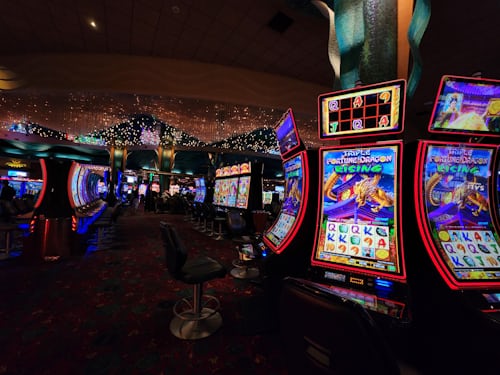
The psychological allure of risk is heightened in casinos through carefully designed environments that engage multiple senses. The bright flashing lights, the sounds of spinning reels, and the celebratory atmosphere of winning all contribute to a stimulating experience that can cloud rational judgment. This sensory overload may lead individuals to take greater risks in their quest for that euphoric feeling, transforming a simple game into an adventure filled with excitement. For many, the thrill of risk-taking at casinos becomes an integral part of their social and recreational lives, creating an experience that is difficult to resist.
Furthermore, the social dynamics surrounding gambling play a significant role in attracting individuals to these venues. Many people enjoy sharing the highs and lows of betting with friends or fellow gamblers, enhancing the excitement of the experience. This social interaction not only amplifies personal enjoyment but also fosters a sense of camaraderie among players, who cheer each other on and celebrate victories together. In this way, casinos effectively combine individual risk-taking with collective engagement, offering a multifaceted experience that appeals to both thrill-seekers and those looking for social connections.
The role of escapism
Casinos often serve as a refuge for individuals seeking to escape the pressures and stresses of daily life. The immersive environments they offer allow patrons to momentarily detach from reality, providing a sanctuary filled with entertainment and the thrill of chance. In a world where stress and anxiety are prevalent, the dimly lit rooms, the sounds of chips and laughter, and the excitement of the games create an atmosphere that can whisk individuals away from their daily concerns.
This form of escapism is further enhanced by the diverse range of activities available within casinos. Beyond traditional gambling, many establishments offer live entertainment, gourmet dining options, and luxurious accommodations, allowing guests to curate their experiences based on personal preferences. Whether enjoying a top-tier meal or immersing themselves in a dazzling performance, each facet contributes to the overarching fantasy of escapism. This multifaceted approach not only draws patrons in but also keeps them engaged for longer periods, enhancing their overall experience.
Additionally, the manipulation of time perception in casinos plays a crucial role in the escapist experience. With no clocks and a lack of natural light, individuals can easily lose track of time as they engage in games and socialize. This disorientation can create a sensation of being in an alternate reality, further encouraging individuals to indulge in their escape. Ultimately, casinos provide an opportunity for patrons to disconnect, recharge, and enjoy themselves in a vibrant and welcoming environment, making them a preferred destination for those seeking to unwind.
The social environment of casinos
The social dynamics within casinos add another dimension to their allure, creating a vibrant community atmosphere that keeps patrons returning. As social spaces, casinos facilitate interactions among individuals who share a common interest in gaming and entertainment. These interactions foster a sense of belonging and camaraderie, where players connect over shared experiences, strategies, and aspirations for winning. This connection can be particularly appealing for those who may feel isolated or disconnected in their everyday lives, offering a supportive network within a lively and engaging setting.
Moreover, the variety of games and activities available amplifies social opportunities within casinos. Whether at the poker table or the slot machines, players often engage in friendly conversations and banter, sparking new friendships and connections. This element of social interaction transforms gambling from a solitary activity into a communal experience. Additionally, special events and tournaments held in casinos encourage patrons to gather and interact, further enriching the social fabric of the casino environment.
The competitive atmosphere of casinos also plays a significant role in attracting individuals. Patrons often find themselves not only competing against the house but also against fellow players, which fosters a spirit of friendly rivalry. This competitive edge can heighten the stakes and excitement of the experience, driving individuals to return for the thrill of the next game. The interplay between social engagement and healthy competition creates an inviting atmosphere that merges gaming with authentic human connections, making casinos appealing destinations for many.
Psychological rewards and reinforcement
The psychology of rewards is central to understanding why individuals are drawn to casinos. The anticipation of winning, coupled with the euphoria that follows a successful bet, creates a powerful reinforcement loop. Each win, regardless of its size, releases dopamine in the brain, conditioning players to seek out the stimulating environment of the casino repeatedly. This cycle can lead to an ongoing relationship with gambling, where individuals are consistently enticed by the combination of excitement and potential rewards, often blurring the line between leisure and addiction.
Casinos leverage psychological principles to enhance this reinforcement process effectively. For instance, the random nature of games like slots ensures that wins occur intermittently, making each victory feel significant. This concept of intermittent reinforcement is one of the most potent forms of conditioning, as it keeps players engaged by providing just enough success to sustain hope. Many individuals may convince themselves that they are ‘due’ for a win, prompting them to continue playing longer than initially intended, thus deepening their emotional investment in the experience.
This cycle of psychological reinforcement intertwines with broader themes, including risk tolerance and emotional attachment. The more time and money individuals invest in their gaming experiences, the stronger their emotional connections become. This investment can create a compelling urge to keep playing, especially when players feel the need to recover losses or chase the elusive big win. Overall, the intricate relationship between psychological rewards and casino design cultivates an environment that is difficult for many to resist, solidifying their love for these engaging spaces.
The overall experience offered by casinos
Casinos provide a holistic experience that transcends mere gambling, captivating visitors with a blend of sights, sounds, and social interactions. This sensory overload is meticulously designed to engage patrons, ensuring that they are not just players but integral parts of a vibrant atmosphere. The combination of excitement, luxury, and entertainment creates a unique setting that appeals to a wide array of individuals, regardless of their gambling habits. In this dynamic environment, guests can enjoy a full spectrum of experiences, ranging from fine dining to extravagant shows.
The multi-dimensional nature of casinos allows them to cater to diverse demographics, attracting families, tourists, and locals alike with tailored attractions. This inclusivity enhances the overall appeal, as the casino becomes perceived as a destination for both serious gamblers and casual visitors seeking a night out. The fusion of various entertainment options guarantees that there is something for everyone, making casinos versatile venues for socializing and enjoyment.
Moreover, the meticulous attention to customer experience is crucial to the enduring allure of casinos. Operators invest significantly in creating an atmosphere that feels exclusive and special. This may include lavish amenities, personalized service, and special promotions designed to provide unique experiences. Such dedication to detail fosters customer loyalty and increases the likelihood of repeat visits. Ultimately, casinos are not merely gambling establishments; they are destinations that promise unforgettable moments and experiences for all who enter, solidifying their status as beloved locales for entertainment and enjoyment.
